


Low water pressure can make everyday tasks frustrating, from taking a shower to washing dishes or doing laundry. While a minor drop in pressure may not seem like a big concern, it can sometimes point to an underlying plumbing issue that should be addressed before it becomes a more expensive repair.
Understanding the most common causes of low water pressure can help you determine whether it’s a simple fix or time to call a professional plumber.
At Carlisle Plumbing, we’ve been helping homeowners and businesses throughout the Indianapolis area diagnose and repair plumbing problems for more than 110 years.
TL;DR: Common Causes of Low Water Pressure
- Mineral buildup inside pipes or fixtures can restrict water flow.
- Hidden plumbing leaks may reduce water pressure throughout your home.
- Aging or corroded pipes can limit water flow.
- Water pressure regulators can fail over time.
- Problems with your municipal water supply may temporarily affect pressure.
- Water main or service line issues often require professional inspection.
Why Is My Water Pressure Low Throughout My House?
When every faucet and fixture has weak water pressure, the problem is often affecting your home’s main plumbing system.
Common causes include a failing pressure regulator, a hidden water leak, aging water lines, partially closed shut-off valves, or issues with the municipal water supply. Because several different problems can produce the same symptoms, a professional inspection is often the quickest way to identify the cause.
Can Plumbing Leaks Cause Low Water Pressure?
Yes. Even small leaks can reduce the amount of water reaching your fixtures.
Hidden leaks inside walls, beneath concrete slabs, or underground may allow water to escape before it reaches your faucets. Besides lowering water pressure, these leaks can increase your water bill and cause significant property damage if left untreated.
Prompt leak detection helps prevent more costly repairs down the road.
Can Old Pipes Reduce Water Pressure?
Older galvanized steel pipes can develop corrosion and mineral buildup inside the pipe walls over time. As the opening inside the pipe becomes smaller, less water is able to flow through the plumbing system.
If your home has aging plumbing, replacing deteriorated pipes may significantly improve both water pressure and overall plumbing performance.
When Should I Call a Professional Plumber?
If cleaning a faucet aerator doesn’t improve the pressure, or if multiple fixtures are affected, it’s best to schedule a professional inspection.
Low water pressure may indicate leaks, failing water lines, pressure regulator problems, or deteriorating pipes. Addressing these issues early can help prevent larger plumbing failures while restoring reliable water flow throughout your home or business.
Restore Your Water Pressure With Carlisle Plumbing
Low water pressure doesn’t have to become part of your daily routine. Whether the issue is caused by a plumbing leak, aging pipes, a failing pressure regulator, or a problem with your water service line, Carlisle Plumbing has the experience to diagnose the issue and recommend the right solution.
For more than a century, Carlisle Plumbing has provided dependable residential, commercial, and underground plumbing services throughout the Indianapolis area. Contact our team today to schedule an inspection and get your plumbing system flowing properly again.
Common causes include clogged fixtures, plumbing leaks, corroded pipes, pressure regulator problems, partially closed valves, and issues with the municipal water supply.
Yes. Water escaping from a hidden leak reduces the amount of water available to your fixtures and can lower pressure throughout your plumbing system.
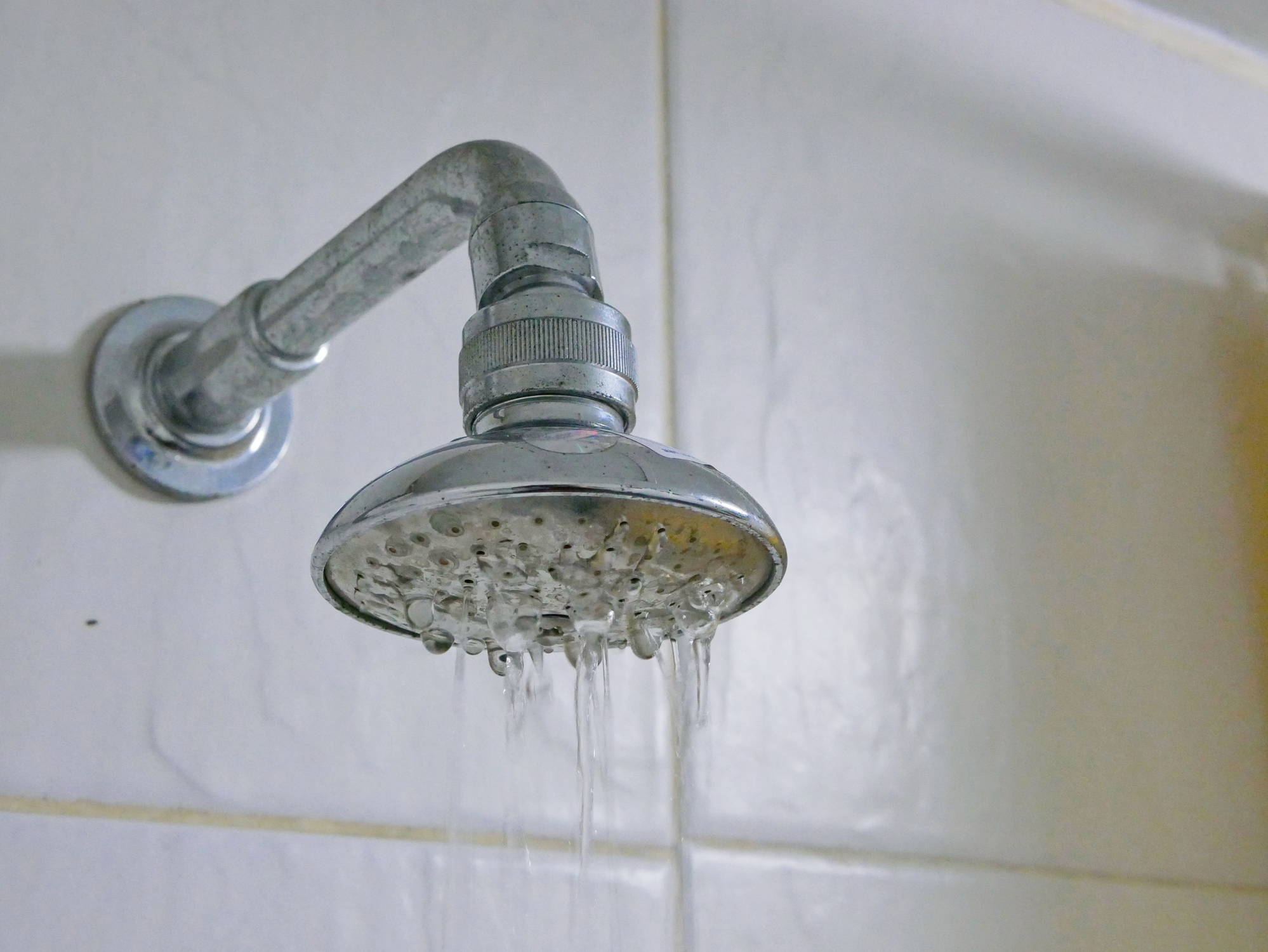
A clogged showerhead is one of the most common causes. Mineral buildup can restrict water flow and often can be cleaned or replaced.
Yes. Older galvanized pipes are especially prone to corrosion and mineral buildup that restrict water flow over time.
If low water pressure affects multiple fixtures, appears suddenly, or continues after basic troubleshooting, it's a good idea to have your plumbing system inspected to identify and correct the underlying cause.

